
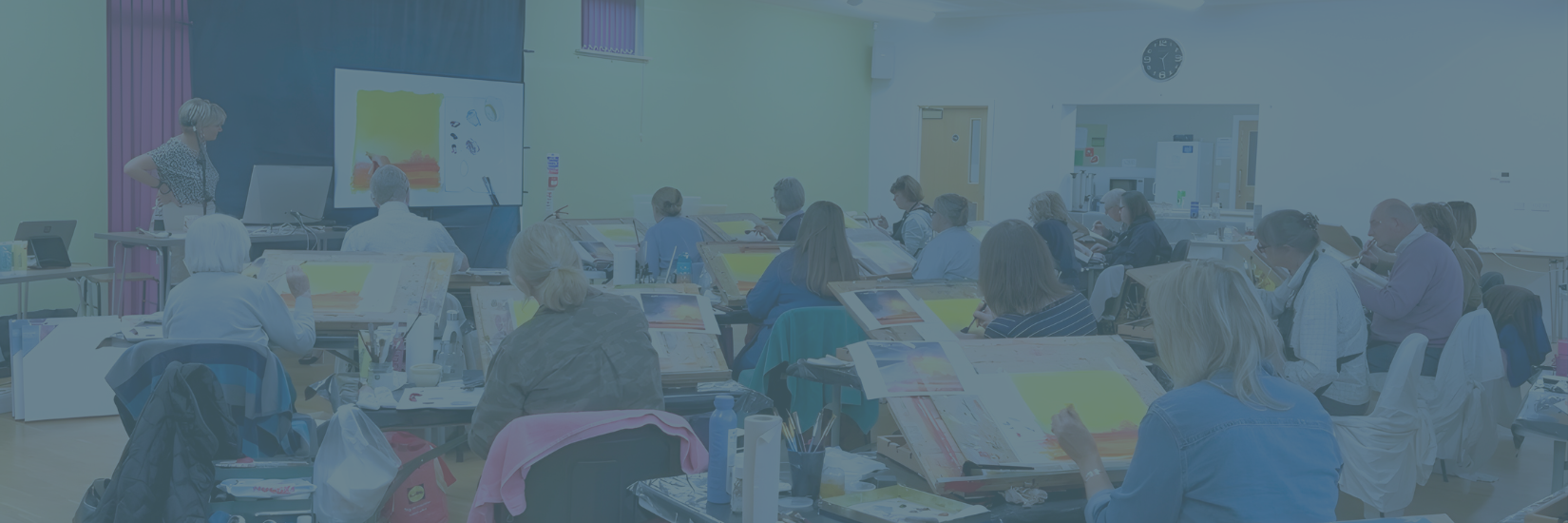
Artist Development Diploma
Build Your Style, Skills & Art Career
A comprehensive weekly art course in Norfolk combining demonstrations, projects, mentoring & exhibition opportunities
-
Who is the Artist Development Diploma for?
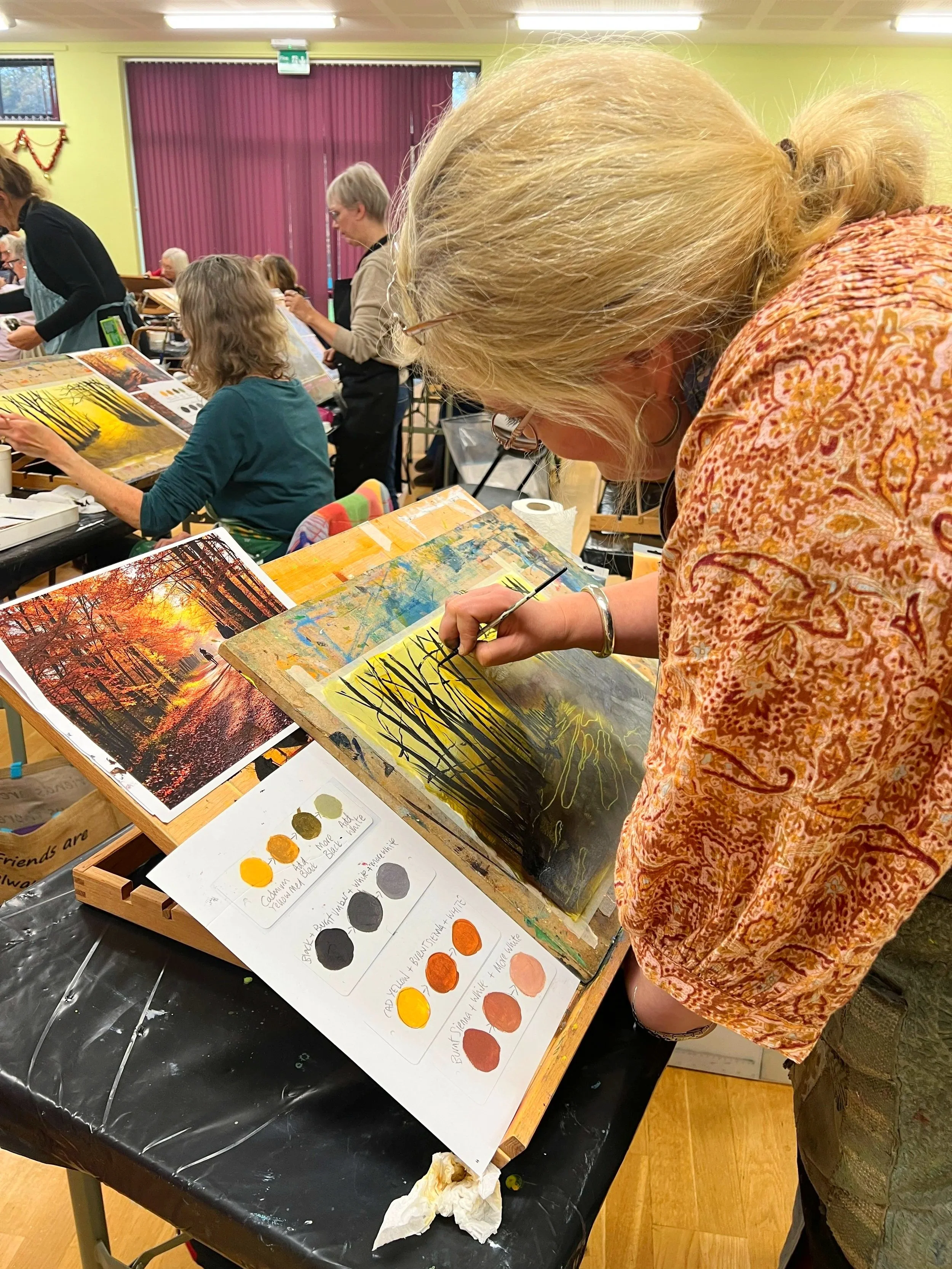
This diploma is for artists who already have some painting experience and are ready to move beyond “learning techniques” into making work that feels intentional, confident, and recognisably their own.
It’s ideal if you’ve completed beginner courses, are self-taught, or have been working independently but feel unsure how to:
- Develop a consistent personal style
- Strengthen technical decision-making
- Build a coherent body of work rather than isolated pieces
- Feel confident showing, discussing, or selling your artwork
The course supports you to deepen your skills through structured demonstrations and then apply them through guided projects that encourage interpretation, experimentation, and personal choice. Over time, this leads to artwork that doesn’t just show what you’ve learned, it shows who you are as an artist.
If you’re unsure whether this level is right for you, a friendly, informal appraisal is available to help you decide.
-
Course dates, times & location
The Artist Development Diploma runs over 36 weeks.
Dates: Starts September 2027
Day & time: Thursdays, 10.30am – 3.00pm (term time only)
Format: In-person, weekly attendance required
Course fee: £3,000
Early payment offer: £2,795 if paid in full before 31 March 2027.
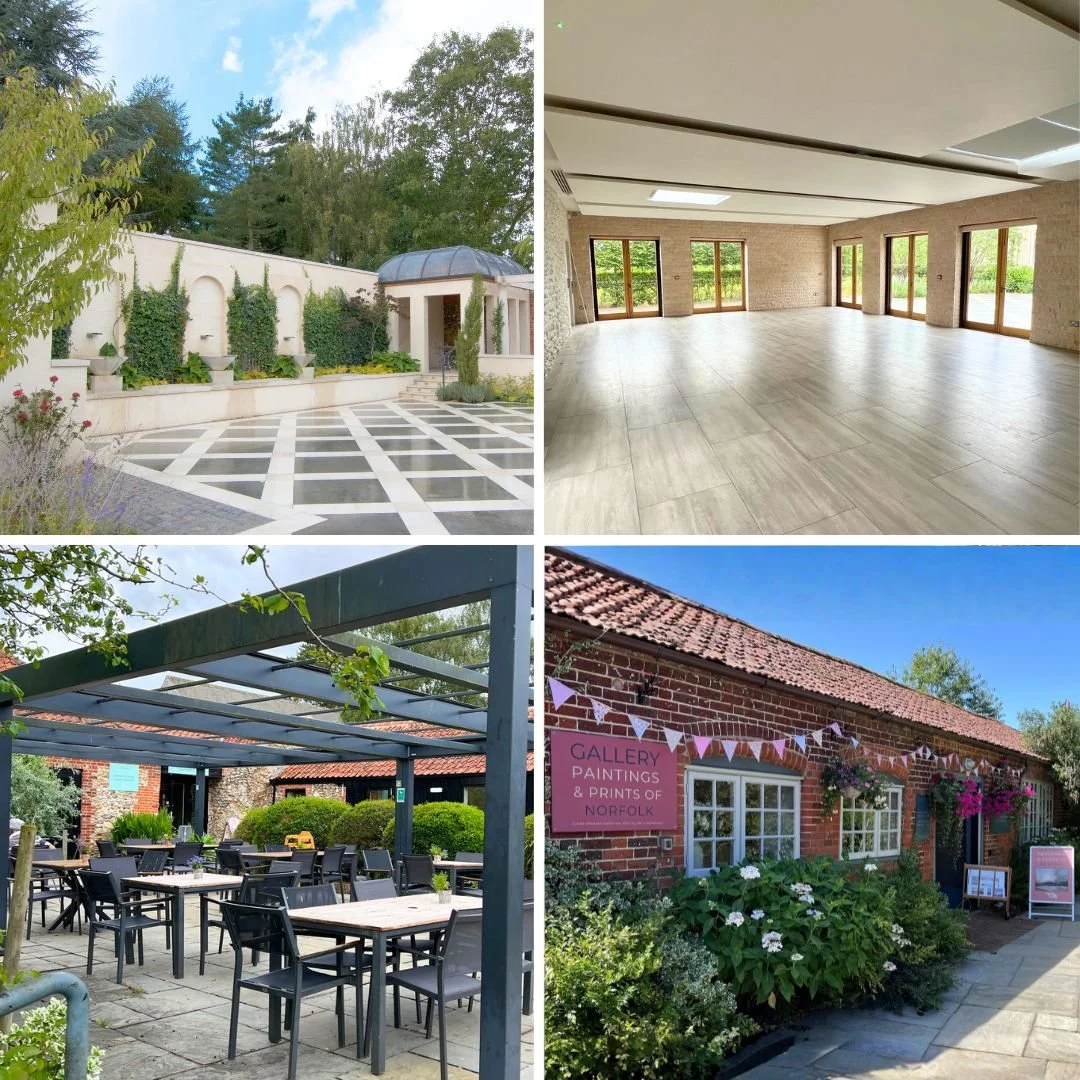
Sessions are held at:
Pensthorpe, Fakenham, Norfolk NR21 0LNThe venue is fully accessible, with ample free parking. Please get in touch if you’d like to discuss access needs or visit the venue in advance.
Optional events such as the Art Market and public exhibition take place on additional dates and may include weekends.
-
What art skills will I learn?
Across the course, you’ll strengthen your core painting skills while exploring a wide range of subject matter and approaches, including:
Landscape, seascape, portraiture, figure painting, and still life
Composition, colour harmony, value, lighting, and atmosphere
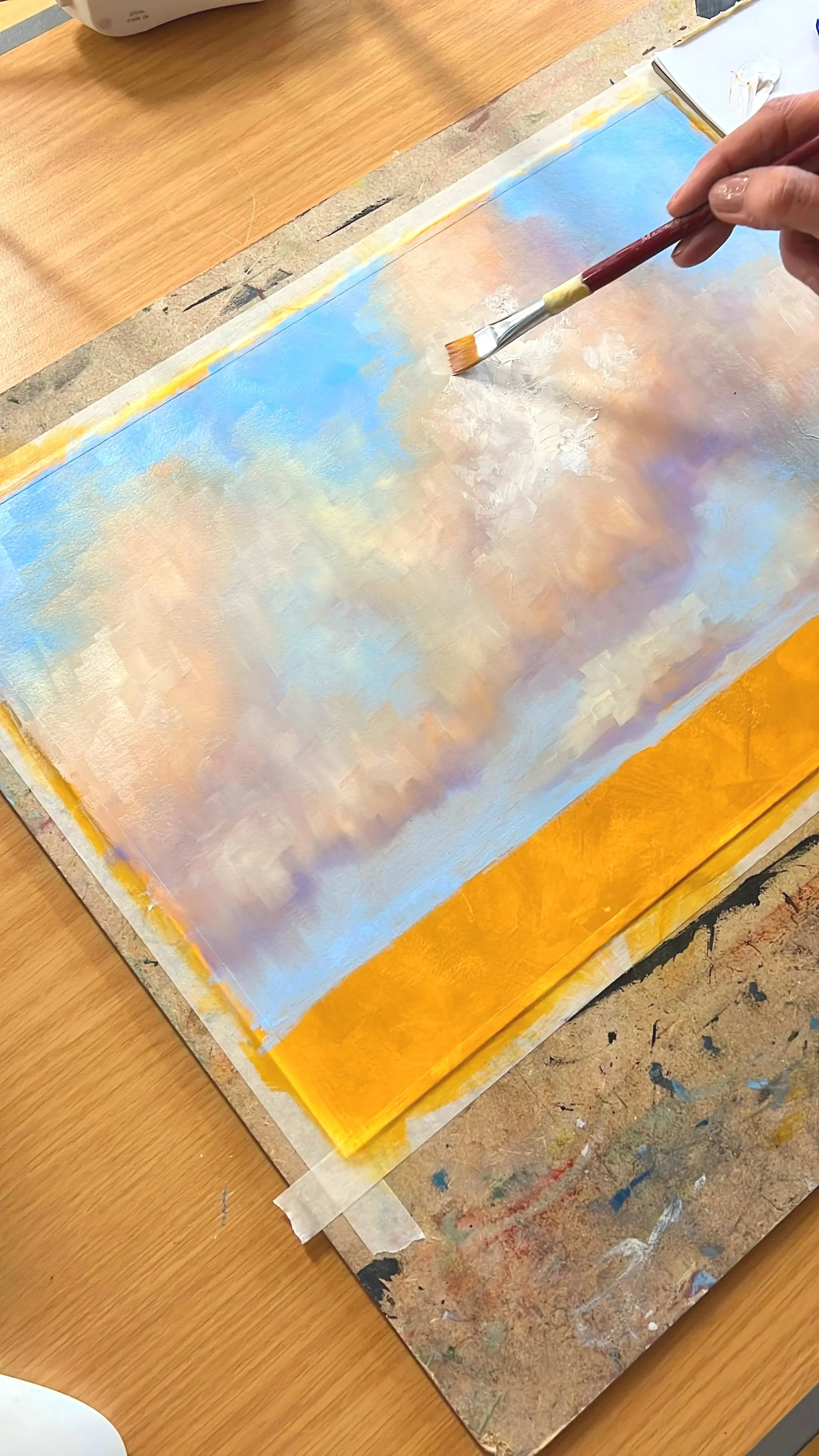
Mark making, glazing, layering, edge control, and surface handling
Traditional and contemporary techniques
Developing ideas, personal themes, and visual language
Each topic is introduced through in-depth demonstrations, followed by structured projects that allow you to apply techniques in a way that supports your own artistic direction.
-
How will I be taught and supported?
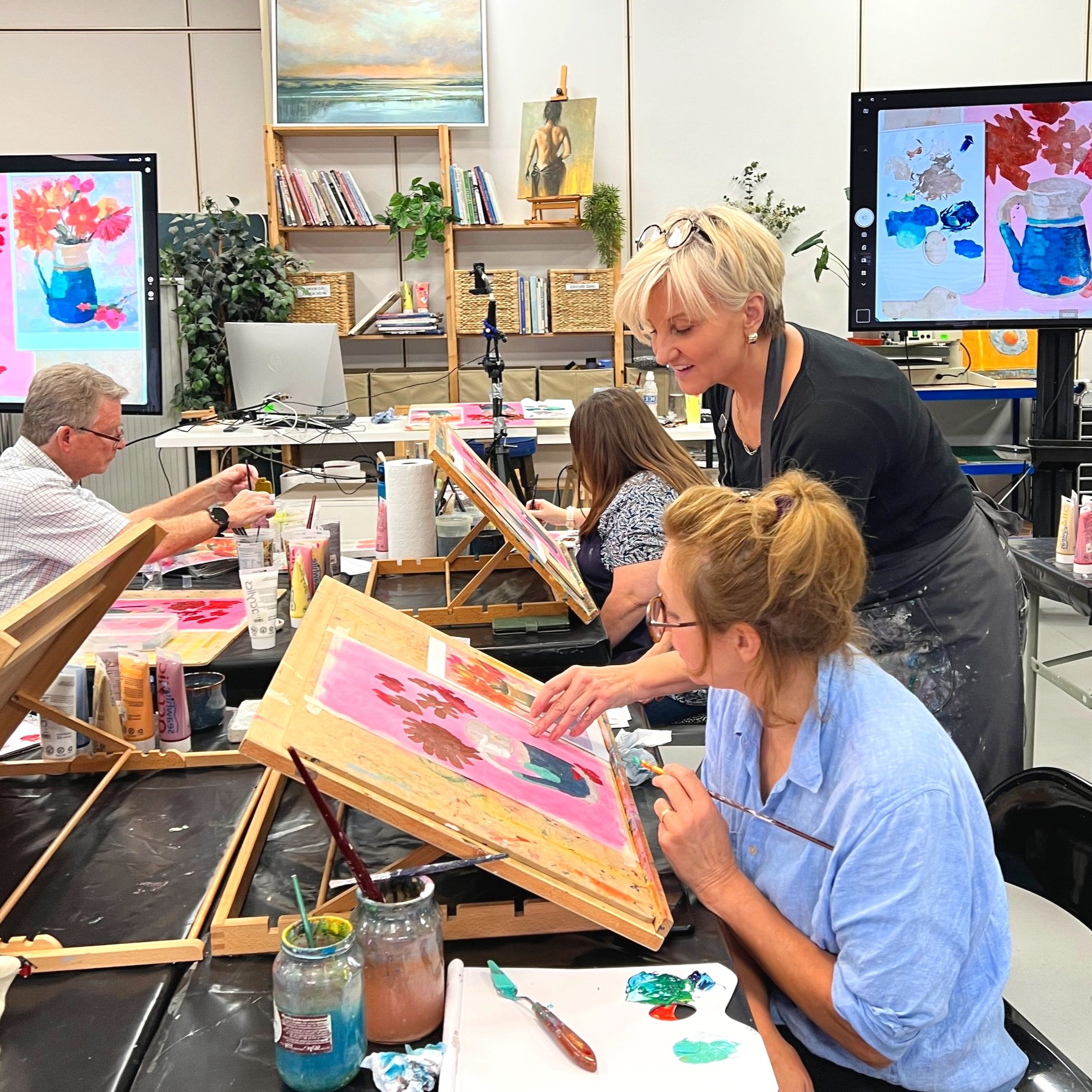
The course follows a clear and supportive demonstration-plus-project structure.
Demonstration sessions introduce techniques, subject matter, and artistic context through live teaching
Project sessions allow you to explore ideas practically, with time to experiment and reflect
One-to-one feedback supports individual development
Group critiques encourage thoughtful discussion and peer learning in a respectful, non-judgemental setting
Teaching is delivered by Claire Frances Smith, an experienced artist and tutor with over 40 years in the art industry and a strong track record of guiding artists at different stages of their practice.
In the final weeks, the focus shifts toward developing a cohesive body of work, artistic identity, and confidence in presenting and discussing your work, with optional preparation for exhibition and sales.
From Demonstration to Personal Artwork
How learning becomes your own recognisable style and sellable work
Each theme on the Artist Development Diploma follows a demonstration followed by a guided project, designed to help you absorb core skills and then apply them in a way that feels personal, purposeful, and true to you.
Live demonstrations give you the technical understanding and visual tools, and projects give you the space to interpret, adapt, and develop work that clearly reflects your own artistic voice.
Example 1: Landscape Painting
Demonstration explores landscape painting through composition, atmosphere, colour harmony, perspective, mark making & working from both observation & imagination. Historical & contemporary landscape artists are discussed to provide context and inspiration.
The following project invites you to develop your own landscape work, real or imagined, using these techniques to express mood, place, & narrative in a way that aligns with your personal interests and style.
Example 2: Seascapes and Coastal Studies
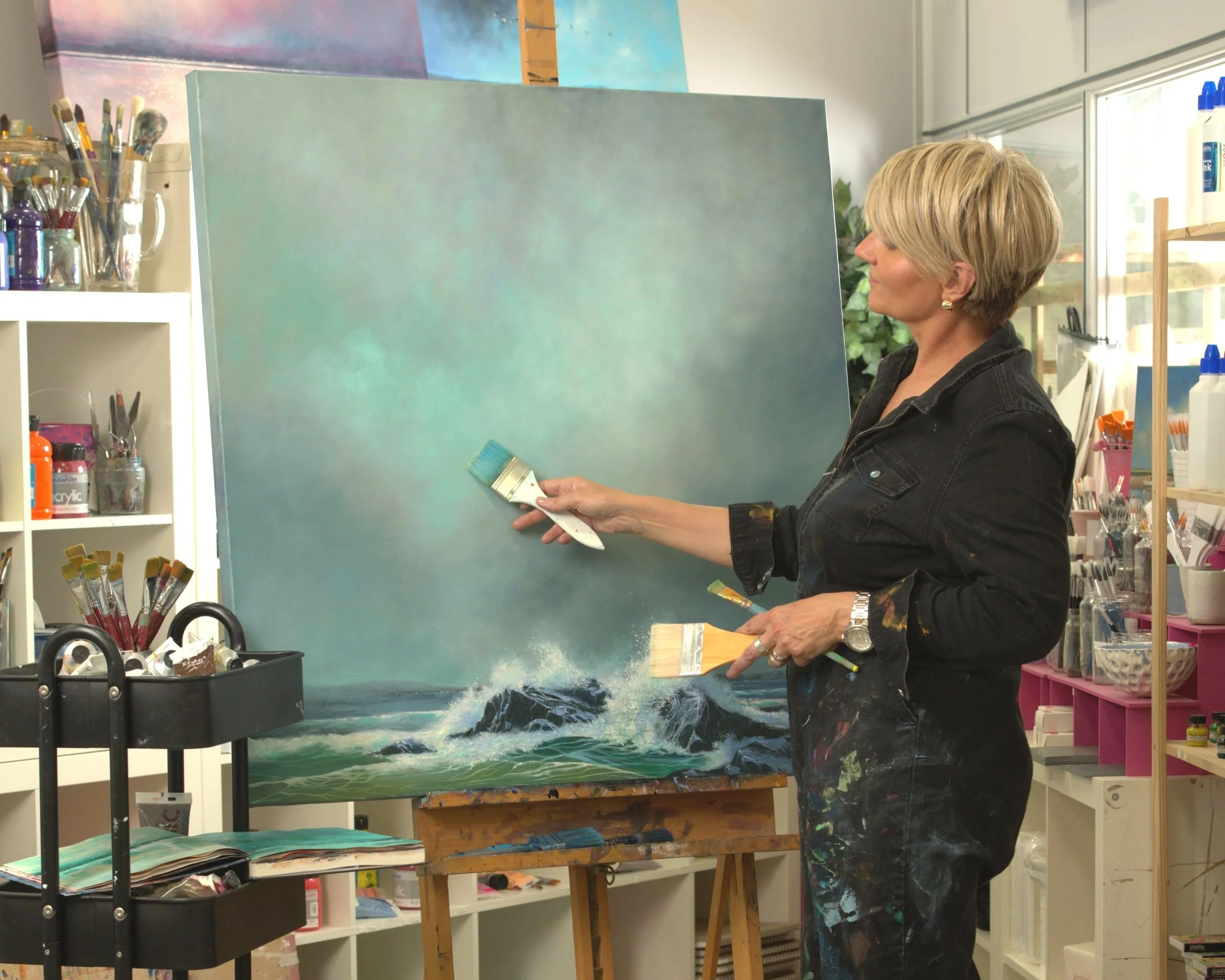
Demonstrations focus on capturing movement in water, translucent colour, light passing through water, reflections & coastal environments, both natural & man-made. You’ll explore palette choices, surface handling & how different marine artists approach marine this subject.
Projects then allow you to create sea or coastal paintings that move beyond technical study, supporting you to produce confident, expressive work suitable for exhibition or sale.
Example 3: Portrait and Figure Work
Demonstrations cover preparatory sketching, structure, value, likeness, anatomy & both traditional & contemporary approaches to portrait and figure painting. As well as wet blending, glazing, hard and soft edges, lighting, grouping and including figures into the landscape.
Projects encourage self-portraits or character studies that reflect your own interests & artistic direction, helping you build work that feels intentional rather than academic.
Throughout the course, this structure supports you to:
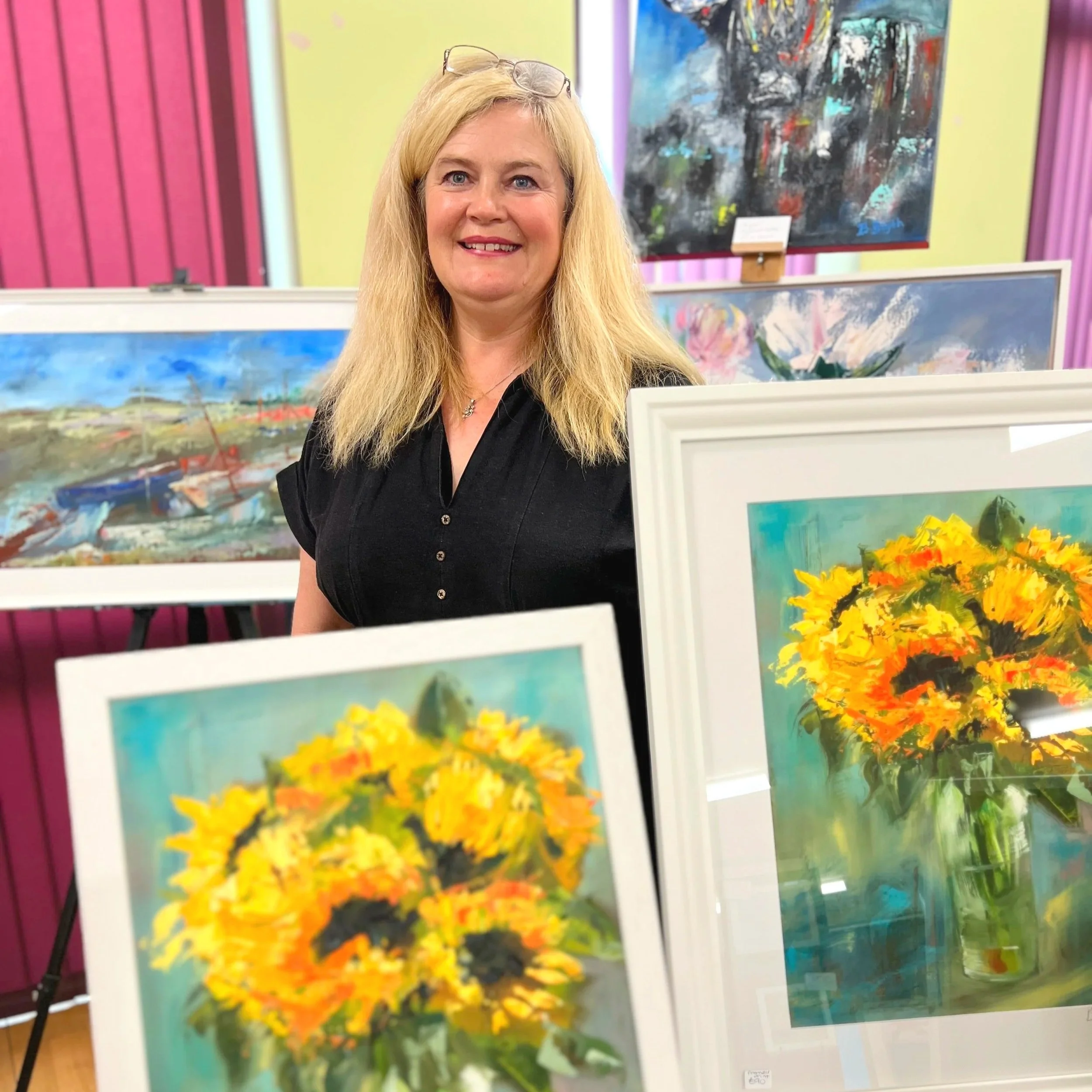
Develop cohesive bodies of work, not isolated studies
Build confidence in making decisions as an artist
Create artwork that is visibly your style, not a class exercise
Prepare work that is suitable for exhibition, promotion, and sale
In the final weeks, this naturally feeds into guidance around presentation, pricing, speaking about your work, and selling.
Giving you the skills and confidence to take your artwork into the world, whether through exhibitions, art markets, or future opportunities.
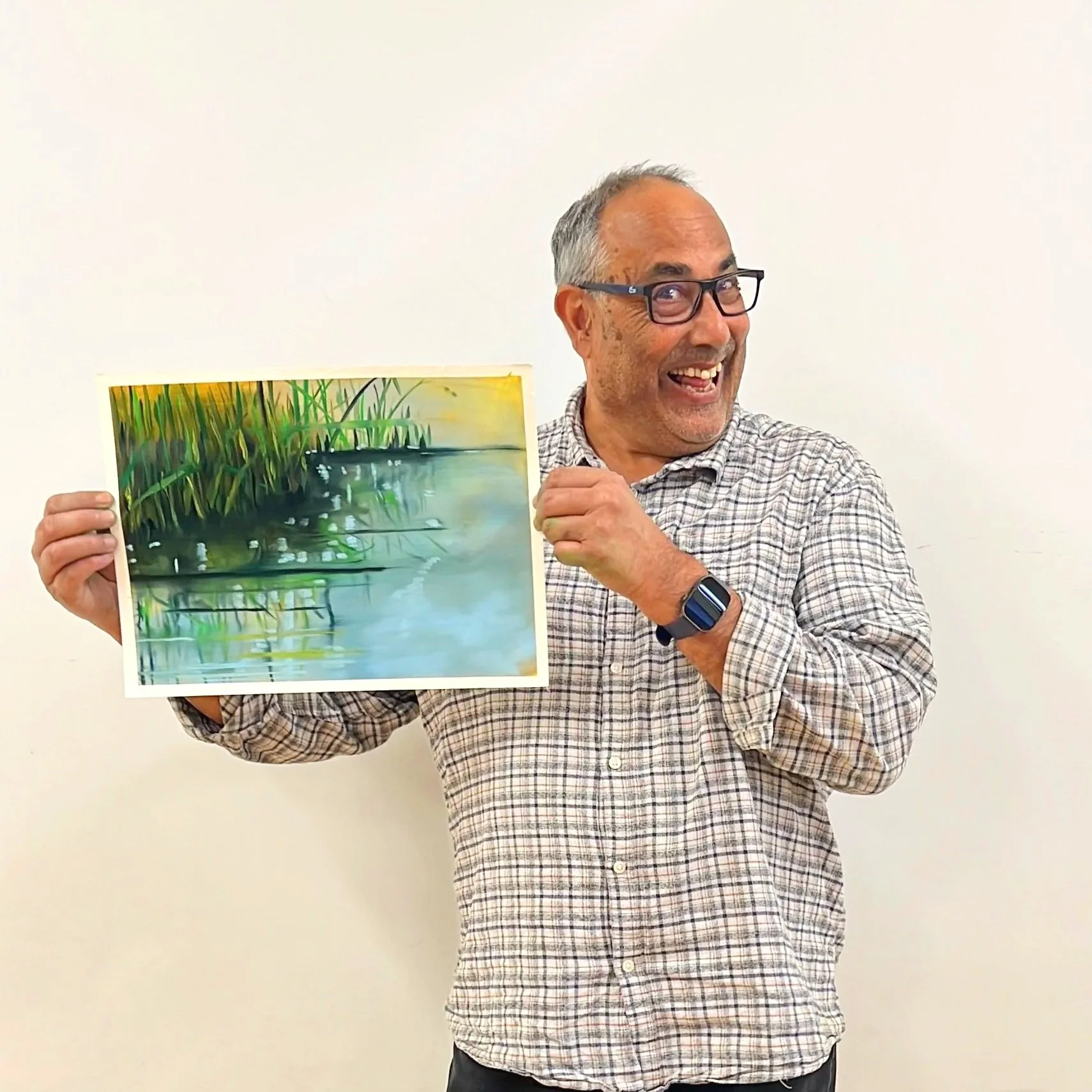
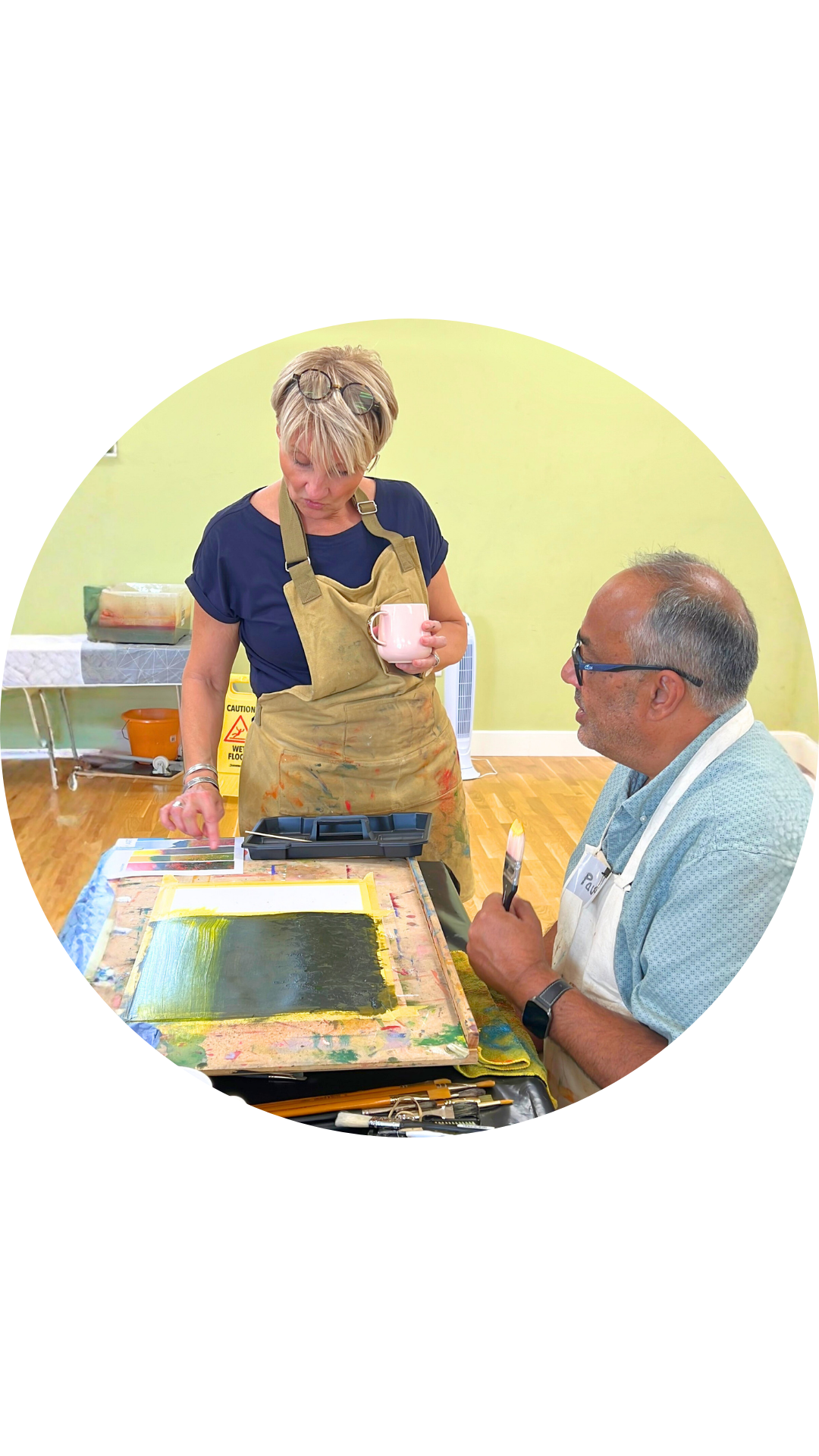
"Your classes give me so much confidence and the way each session is structured means I come away with something that's more or less finished. It's always nice to step back and think 'wow, I did that' but it's even better when someone else asks 'wow, did you do that?'”
Paul Rao
FAQs
-
No. You do not need to be an advanced artist, but this course is not a complete beginner painting class.
You should already have a basic understanding of painting or drawing, either from beginner art classes or your own regular practice. Many learners join after short courses and feel stuck repeating similar work or unsure how to progress. The diploma is designed to help you move beyond exercises and start producing confident, personal artwork.
If you are unsure, you can request a friendly appraisal and we will help you decide whether the course level is suitable.
-
The course awards a Certificate of Completion from The Art Academy. It is a structured long-term art programme but it is not a university qualification and does not carry UCAS points.
Many students use the work they create to build a portfolio for further study or personal development. If you intend to apply to higher education, we recommend checking entry requirements directly with the institution.
-
The Artist Development Diploma takes place in person at:
Pensthorpe, Fakenham, Norfolk NR21 0LN
The venue has free parking and step-free access. It is convenient for learners travelling from Norwich, Reepham, Lenwade, Drayton, Taverham, Fakenham and surrounding Norfolk villages.
-
You will not just complete class exercises. Over the year you will develop a growing body of artwork across subjects such as landscape, portrait, still life and figurative painting.
Through demonstrations followed by guided projects, you will learn techniques and then apply them to your own ideas. The aim is to help you create work that shows a clear personal style and can be presented publicly.
Learners are encouraged to take part in an art market and an end-of-course exhibition, and many choose to sell work for the first time during or after the programme.
-
Yes. Learners provide their own painting materials and canvases. This allows you to build a practical working setup that continues beyond the course.
You will be given clear guidance on what to buy before starting and advice throughout the year, so you do not need to guess or overspend. There may also be optional trips at cost.
-
The course runs one day per week on Thursdays from 10.30am to 3pm during term time between September 2026 and June 2027.
You will benefit most if you also make some time to paint between sessions, but there is no compulsory homework. The structure is designed to fit around work, caring responsibilities, and part-time schedules while still providing meaningful artistic progress.
-
Yes. The final part of the course includes practical guidance on presenting, pricing and talking about your artwork with confidence.
You will learn how to prepare work for exhibition, describe your process to viewers, and plan realistic next steps. The optional public exhibition and art market give you a supported way to show and potentially sell your work for the first time.